Can We Heal Philanthropy’s Money Stuff?


By Elise Belusa, Executive Director, Tara Health Foundation
We’re all longing for the same thing: healing from capitalism’s harms.
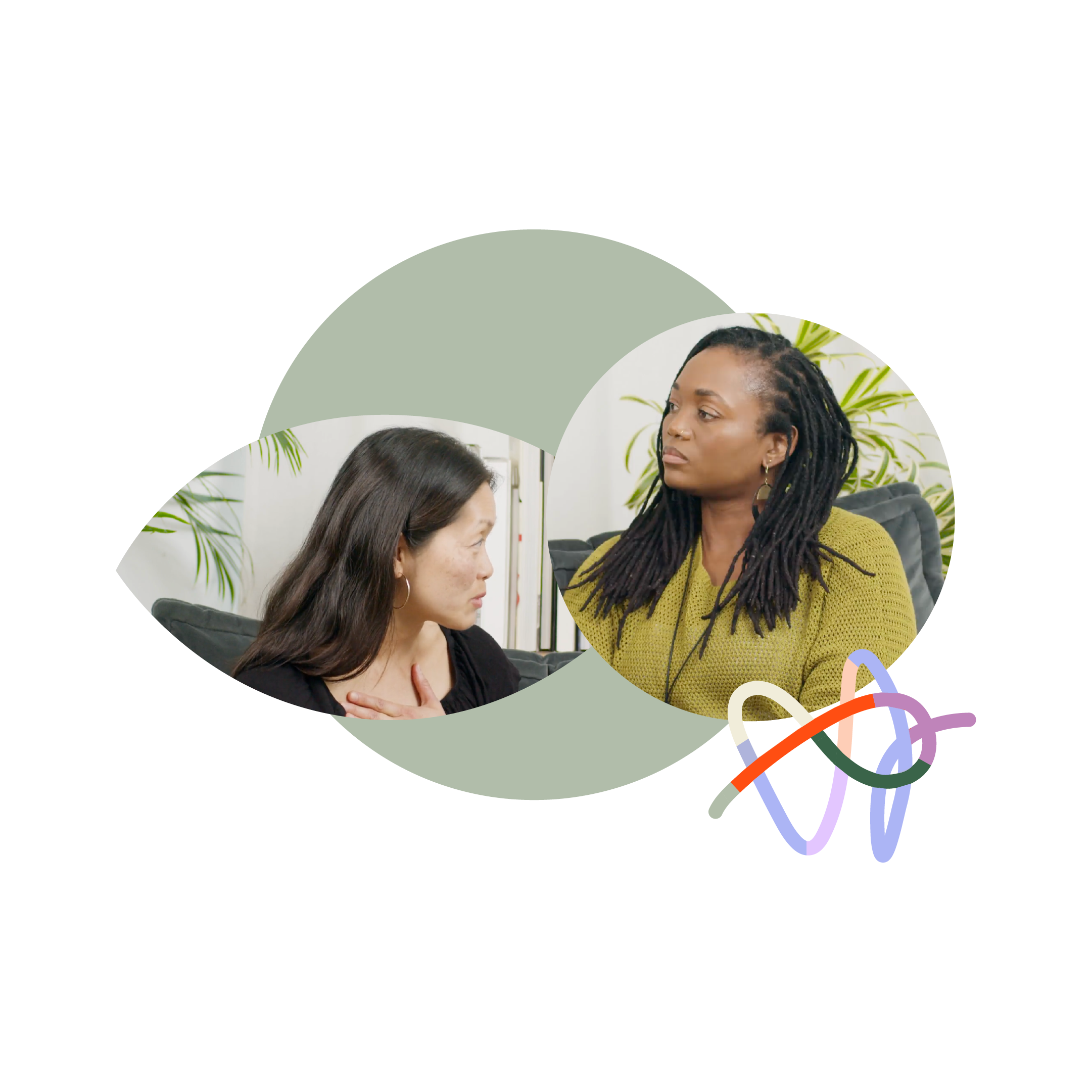
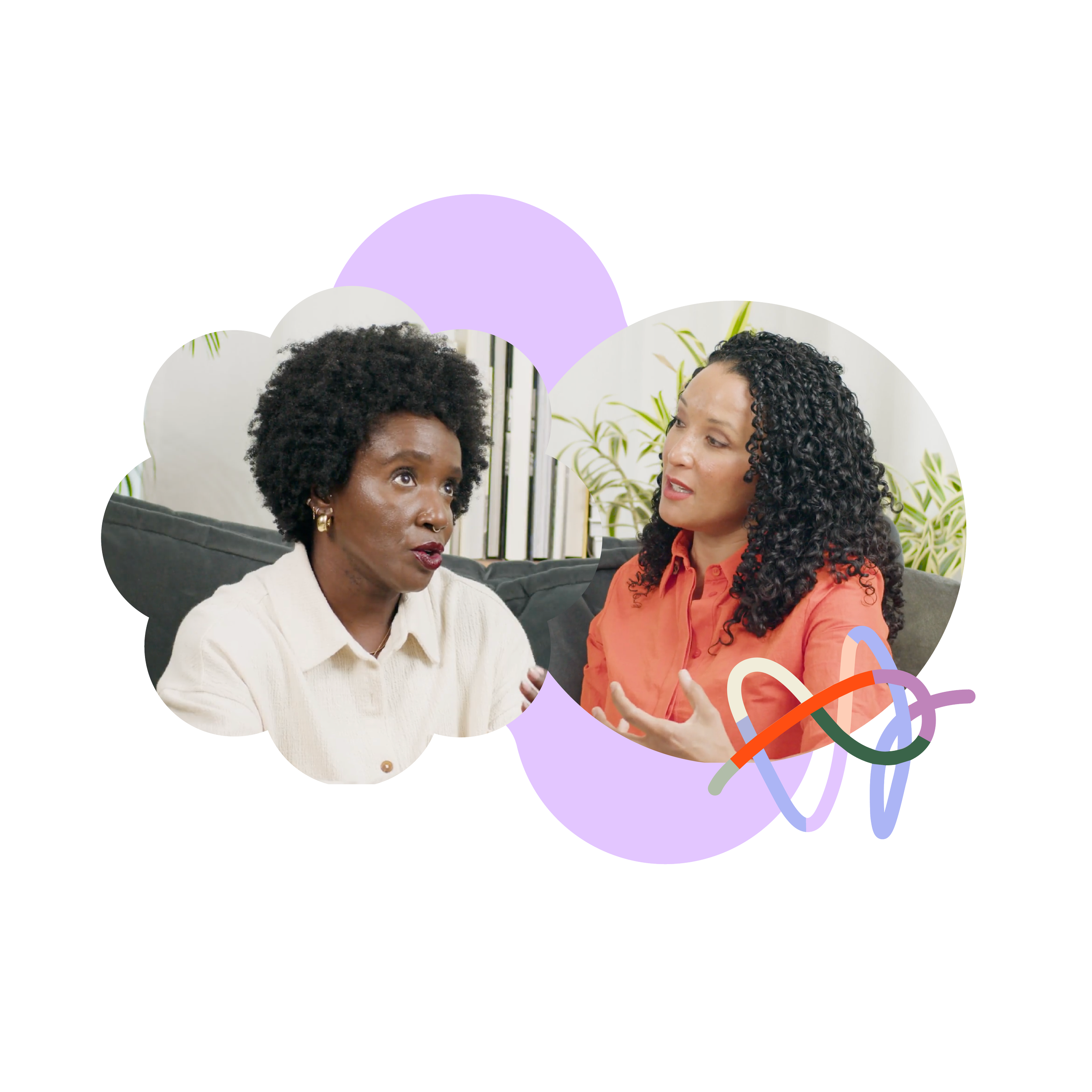
In Episode 11 of Make Shift Happen, Maria Nakae, Senior Director of Just Transition Investing at Justice Funders and Tenesha Duncan, CEO and founder of Orchid Capital Collective, talk about the healing work necessary to realize a future where we all can flourish.
What stayed with me from their conversation is Tenesha’s reflection: we all bring a lot of money stuff to movement spaces. Whether that stuff is about not having it or identities tied up in having a lot of it, we tend to let money and its wounds shape how we relate to each other.
We’re all “swimming in the waters of capitalism,” as Maria says. Those waters depend on us feeling scarcity and isolation, making it hard to stay afloat, let alone reach for each other.
So our money stuff turns us into islands: protective, suspicious, and alone. But the reality is, we can’t operate as islands. We all have the need to belong, to feel connected to something larger than ourselves.
I’ve noticed that a lot of us in philanthropy, myself included, try to find a shortcut from our money stuff to belonging. We do this through the performance of goodness: rather than doing the hard work of knowing and trusting our own inherent value, we seek out and perpetuate superficial proof of it. In philanthropy, this shows up in our impact metrics and reports and flashy events, which all say “See me, and see that I’m good, too.” But that claim of goodness is on shaky ground if we haven’t grappled with our own money stuff, the origins of our sector, or the harms we’ve helped perpetuate.
What’s more, when we’re performing goodness, it’s even harder to relate to one another. When we’re focused on managing how we’re being perceived, we can’t afford to be too vulnerable, too uncertain, or too accountable to anyone who might complicate our story of being good. And so the isolation we feel around our money stuff grows even deeper.
The healing that Tenesha and Maria talk about requires putting aside our performance of goodness, and each of us showing up to our relationships ready to embrace our full humanity, including the ways the icy waters of capitalism have made it hard to feel true abundance, security, and community.
I know from my own experience that something new becomes possible: access to the belonging and interconnection we’ve been reaching for all along.
When we stop performing goodness, and instead reach for each other and ourselves, we stop swimming in these waters alone. We can build nets of real relationships that carry us toward something more solid, where our resources are a force for connecting us and holding us together, rather than driving us apart. I hope you’ll join me there.