What Would It Take for Foundation Governance to Reflect a More Just World?


By the Tara Health team
Welcome to Make Shift Happen. This season, we’re after a different way of governing private foundations and the dollars they’ve set aside for public good.
Foundation governance is a boring word for a consequential thing; who holds power over the money. Change how this works, and we change what philanthropy is capable of. Tara Health’s Deputy Director Mia Reilly and Board Chair Rachel Robasciotti open the season here
MIA REILLY:
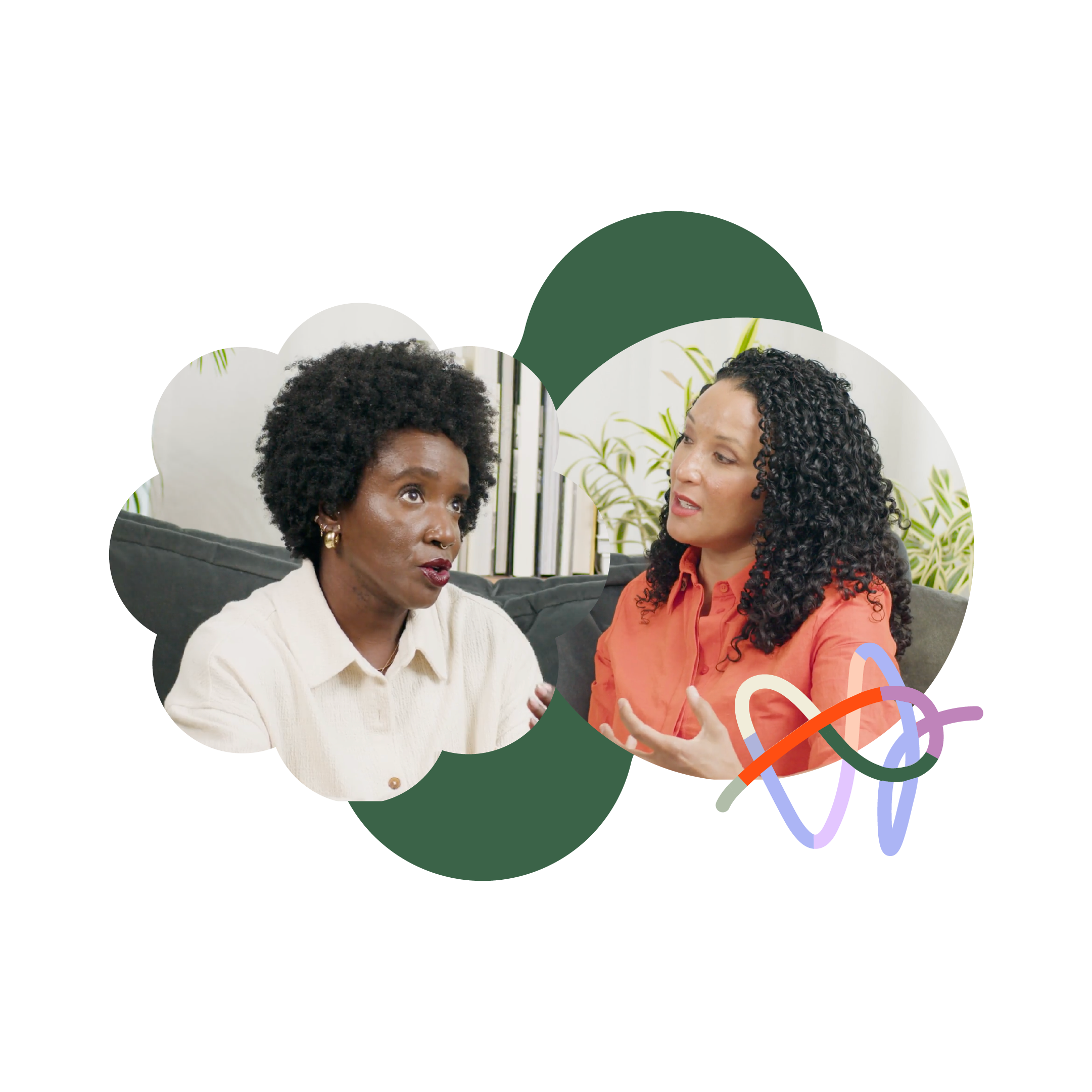
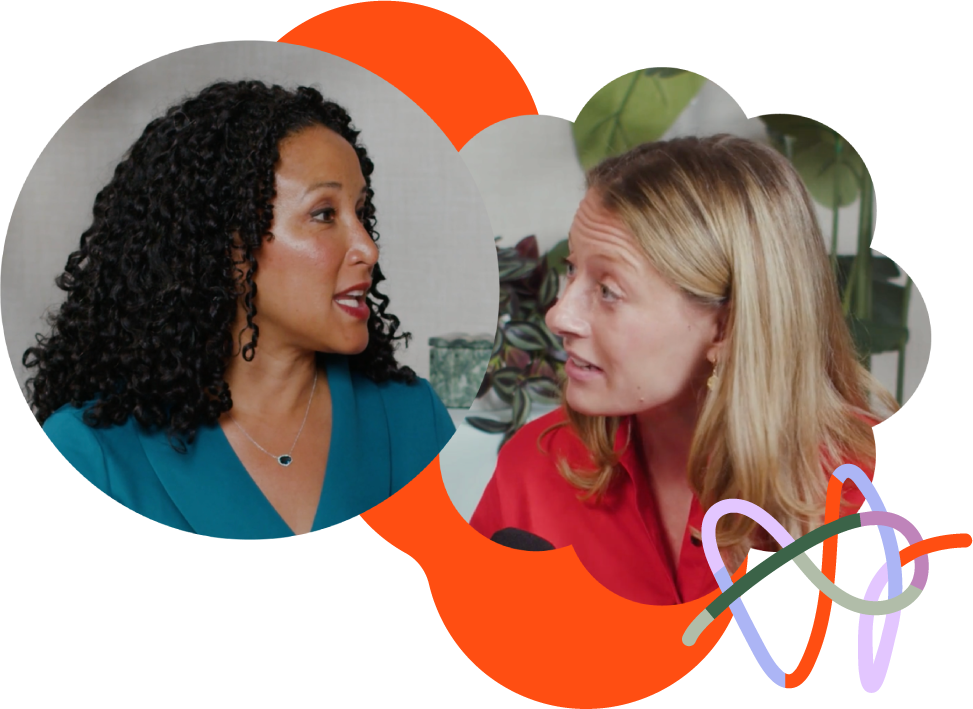
Rachel, welcome to Make Shift Happen Season 2, focused on governance. I am so thrilled to be kicking off this season with you. And for those of you listening, I'm Mia Reilly. I'm the Deputy Director of the Tara Health Foundation and the producer of Make Shift Happen, and I'm here with Rachel Robasciotti, Tara Health Foundation's Board Chair. Thanks for being with us, Rachel.
RACHEL ROBASCIOTTI:
I am so delighted to be here.
MIA REILLY:
As we kick off Make Shift Happen Season 2, what do you think is important for our listeners to know about the Tara Health Foundation?
RACHEL ROBASCIOTTI:
So at Tara Health Foundation, we're spending out by 2030, and we've also spent the last year transforming our governance structure and systems. And in tandem, because we like to do big things, we're also sharing all of our learnings with the field. And a big part of that was Make Shift Happen Season 1.
MIA REILLY:
Make Shift Happen Season 1 was a really broad exploration into what's possible. We invited so many folks who are doing really innovative things, building new experiments, looking at ways to shift power and resources in philanthropy. And what we heard from so many folks after they watched and engaged with that season was that these ideas are great and these experiments are necessary if we're going to achieve our purpose of transformative social change. But so many folks then said, “but my board will never let me”.
RACHEL ROBASCIOTTI:
It's always governance, right?
MIA REILLY:
It's always governance! That's right.
MIA REILLY:
And so we heard that feedback and being who we are, we were like, okay, let's understand that better. If boards are really the bottleneck, what is the thing that causes the bottleneck? And we had that conversation and asked that question directly to board members and to staff and to donors. Those conversations really solidified into a line of inquiry for us when we read Dimple Abichandani's book, A New Era of Philanthropy. Highly encourage everyone to read it if you haven't, and I'll be talking to Dimple a little bit later this season about that book and her learnings, which I think will be a very foundational conversation. In her chapter on governance, she asks this question of “What will it take for our governance structures and philanthropy to reflect the world we want to see and build?” And we thought, ah, that's it. That's the inquiry. That's the question. It's the question that our peers are so hungry to answer together and to think about together. And it's the question we feel is the most necessary if philanthropy is really going to meet this moment.
So Season 2 of Make Shift Happen brings together folks who are thinking about transforming governance or already transforming governance to learn together about what it will take to do that transformative work and what that transformative work makes possible.
Rachel, I'm curious to know when you think about governance going into Make Shift Happen Season 2, what are you most curious to learn about?
RACHEL ROBASCIOTTI:
I had a lot of the same conversations with people in philanthropy, particularly at the leadership and board level, and what I'm going in with is this really deep curiosity about what gets in the way of doing something different?
We all have such beautiful alignment around the world we want to build together, one that's centered on justice, equity, inclusion, where there's deep belonging. And yet it seems like boards are where some of that best work kind of stops. And so what is it that actually gets in the way?
I think it has something to do with the activities that get us to being in a position of leadership may not necessarily support us doing things differently. Right? Knowing is really important, right? Having expertise and good ideas. And it's really about questioning some of those structures. So that's one curiosity I have is like, what's really getting in the way? I have a hypothesis, but I want to hear from other folks.
I think it's also really important to check in about what's the payoff, what's on the other side of change? And one of the things that I know has been very meaningful for me is these lifetime relationships I've built with other board members.
But there are many payoffs. Some of them are very heart-based. Some of them are about effectiveness. And I know that we'll hear about many of the payoffs. And I think that's what's going to really drive us forward in doing something different. So ultimately, I'm also curious to see what comes out in the season. And then how can we take that in to inform our own work in these last years of spend out at Tara Health Foundation?
MIA REILLY:
I share your curiosities. And going into Make Shift Happen Season 2, I am really curious to have an understanding of what's going on with governance in our peer foundations. So much of these conversations happen behind closed doors and governance is such an opaque thing.
I can't wait to see what happens when we open up some of those doors and share our experiences with one another out in the open so that we can learn from them and make meaning all together.
RACHEL ROBASCIOTTI:
I know there's lots of different perspectives here, so I'm really looking forward to learning from the field.
MIA REILLY:
Yeah, and that's exactly what we're looking to do, right, is bring folks together who might not have the same shared perspective about everything. People might disagree, but there is richness there and there is meaning to be made. And it's important that we engage in these conversations, even if we don't have a shared starting place.
RACHEL ROBASCIOTTI:
And let's be honest, we have not talked about governance. It's like the last unopened door in philanthropy.
MIA REILLY:
And everyone's saying, hey, we want to open this door.
RACHEL ROBASCIOTTI:
I'm so excited to start opening up the door with you.